This post may contain affiliate links. If you purchase through our links, we may earn a small commission at no extra cost to you. These commissions help support the website and allow us to keep creating helpful content.
You wake up, wash your face, and suddenly something feels… off. Your skin feels tighter than it did a few weeks ago, your favorite moisturizer seems to disappear almost instantly, and makeup that usually goes on smoothly starts catching on little dry patches around your nose and cheeks. And your lips? Somehow they need another layer of balm before you’ve even finished your morning coffee.
So you check your skincare shelf. Nothing has changed. Same cleanser, same moisturizer, same serum, same routine. So why does your skin suddenly feel different?
As the weather gets cooler and indoor heating starts making its way back into everyday life, your skin may need a few adjustments. The routine that felt perfectly comfortable during warmer, more humid months may suddenly feel too light, too drying, or simply not quite right.
And here’s where it’s easy to go wrong. You see flakes, so you exfoliate. Your skin feels dry, so you add another serum. Your moisturizer isn’t enough, so you buy a heavier one. Then your skin gets irritated, and you start adding even more products to fix that.
Before you turn your bathroom counter into a skincare experiment, pause.
Your skin may not need more. It may just need you to understand what changed.
This fall skincare routine guide walks you through 15 practical adjustments, organized into three simple steps: REPAIR → PROTECT → RESET. No complicated 12-step routine required. Just small changes that can help your skin feel more comfortable as the season changes.
Before you change anything, check in with your skin.
Are you noticing:
☐ Tightness after cleansing
☐ Flaky or rough patches
☐ Makeup clinging to dry areas
☐ Lips that seem constantly dry
☐ A moisturizer that suddenly doesn’t feel like enough
☐ Products that sting when they normally don’t
☐ Skin that feels more sensitive than usual
If you checked a few boxes, don’t immediately assume you need a completely new skincare routine. Your skin may simply be asking for a seasonal reset.
Let’s start with the foundation.

PART 1 — REPAIR
When cooler weather starts changing your skin. Before worrying about adding new treatments, focus on making your everyday routine a little gentler and more supportive. Think of this section as getting your skin comfortable again.
1: Choose a Gentler Cleanser
That foamy cleanser that made your skin feel incredibly fresh during summer might suddenly feel a little too intense. If your face feels tight, dry, or uncomfortable immediately after washing, that’s worth paying attention to.
Your cleanser’s job is to remove things your skin doesn’t need, such as makeup, sunscreen, sweat, and everyday buildup, without leaving your skin feeling stripped. Look for a cleanser that leaves your face feeling clean and comfortable, not squeaky. And don’t assume more foam means a better clean. Your skin doesn’t need to feel like you’ve polished it.
The Fall Switch:
Summer mindset: “Get everything off.”
Fall mindset: “Cleanse without unnecessarily stripping.”
2: Rethink How You Cleanse
Changing your cleanser is only half the story. How you cleanse matters, too. If your skin is already feeling dry, aggressive scrubbing, very hot water, long cleansing sessions, or washing more often than necessary may leave it feeling even less comfortable.
Think about what happens after you wash your face. If you immediately think, “I need moisturizer right now,” your routine may be telling you something. Try using lukewarm water, keeping cleansing gentle, and avoiding unnecessary rubbing.
You don’t need to spend two minutes aggressively working cleanser into your face to feel like you’ve done a thorough job. Sometimes the best fall skincare upgrade is simply doing less to your skin.
Your Fall Rule
Clean skin should still feel like skin.
3: Hydrate While Your Skin Is Slightly Damp
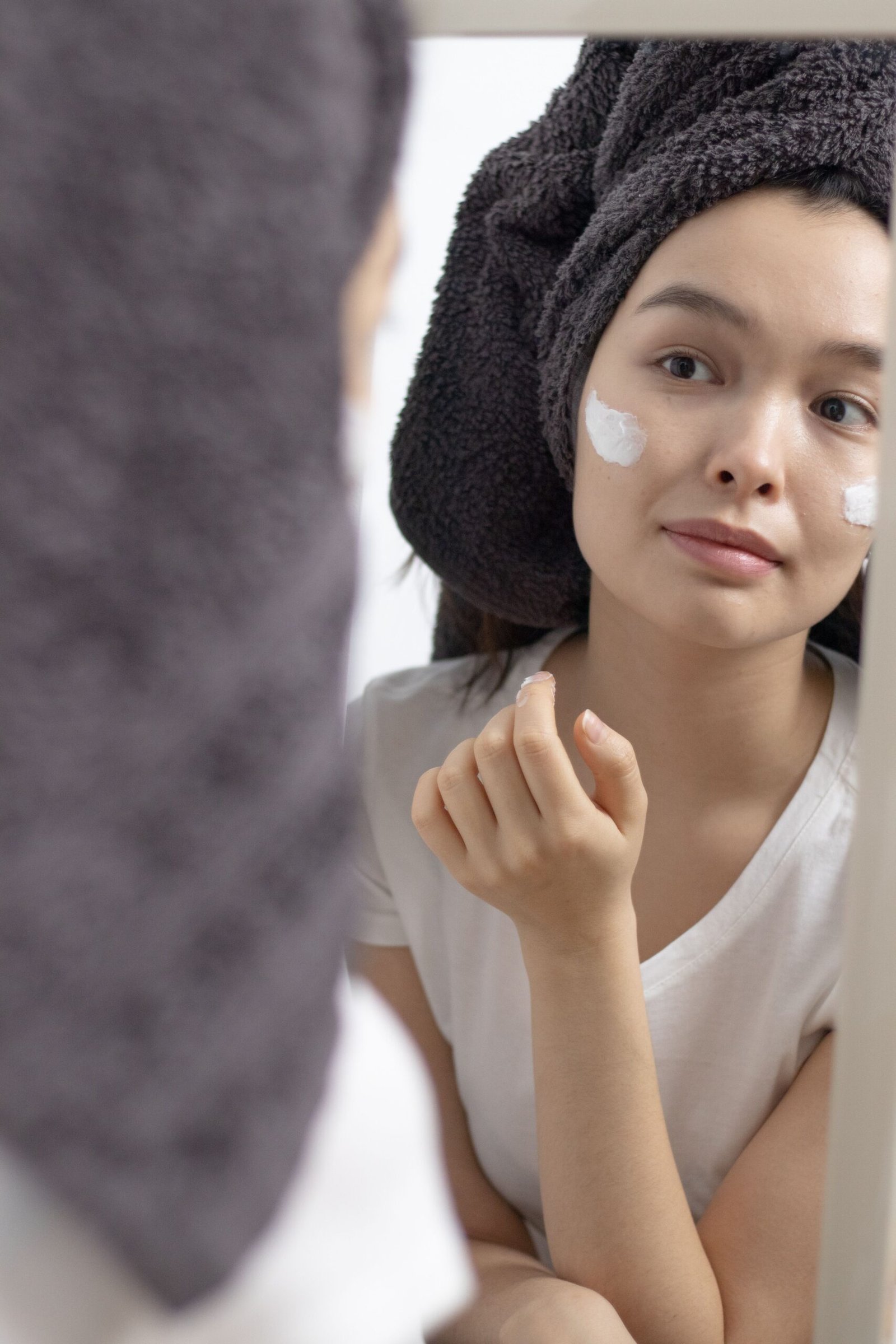
Here’s a tiny change that can make your routine feel noticeably more comfortable. After cleansing, gently pat your skin instead of completely drying it out. Then apply your hydrating product or moisturizer while your skin is still slightly damp.
You don’t need to leave your face dripping wet. Just don’t wait until it’s completely dry, tight, and uncomfortable before moisturizing. For many people, this simple habit can make the routine feel more comfortable and help avoid that immediately-dry feeling after cleansing.
Try This Tomorrow :- Cleanse → gently pat → hydrate → moisturize.
That’s it.
4: Know When Your Moisturizer Needs More
You don’t automatically need a heavier moisturizer just because the calendar says fall. But if your usual moisturizer suddenly leaves your skin feeling dry again shortly after applying it, it’s worth reassessing.
Your skin may prefer a richer texture during cooler, drier months. Dry skin might enjoy a more nourishing cream, while oily or acne-prone skin may still prefer something lightweight but hydrating.
The goal isn’t to find the thickest cream possible. The goal is to find the texture that keeps your skin comfortable. And this is a good time to remember that skincare isn’t one-size-fits-all. Your friend’s favorite ultra-rich cream might be perfect for her and completely wrong for you.
What to Look For
Depending on your skin and preferences, you may want to explore moisturizers containing ingredients commonly used for hydration and barrier support, such as glycerin or ceramides.
More to Read:
1: Fall 2026 Beauty Trends: 15 Looks You’ll Be Seeing Everywhere This Season
2: 40 Fall Nail Ideas you'll Want to Save Before Your Next Manicure
5: Make Your Skin Barrier the Priority
If there’s one skincare concept worth carrying with you into fall, make it this: your skin barrier deserves more attention than your product count.
Think of your skin barrier as part of your skin’s protective outer layer. When it’s supported, your skin can better hold onto moisture and deal with everyday environmental stressors.
When your routine becomes too aggressive, however, your skin may start letting you know. You might notice persistent tightness, flaking, redness, increased sensitivity, stinging when products are applied, or a general feeling that “everything suddenly bothers my skin.”
And when that happens, adding another active isn’t always the answer. Sometimes your skin needs the skincare equivalent of a quiet weekend: gentle cleansing, hydration, moisturizer, sun protection, and consistency.
Not exciting. But often exactly what your routine needs.
Fall Skin SOS :- If your skin is suddenly irritated, don’t ask :- “What else can I add?”
Ask :- “What can I simplify?”

PART 2 — PROTECT
Prevent fall dryness before it becomes a problem
Now that the basics are in place, it’s time to think beyond the products sitting on your bathroom counter. Fall skin isn’t affected only by what you put on your face. Your habits, your shower, your home environment, and the weather outside can all become part of the picture.
6: Ease Up on Exfoliation
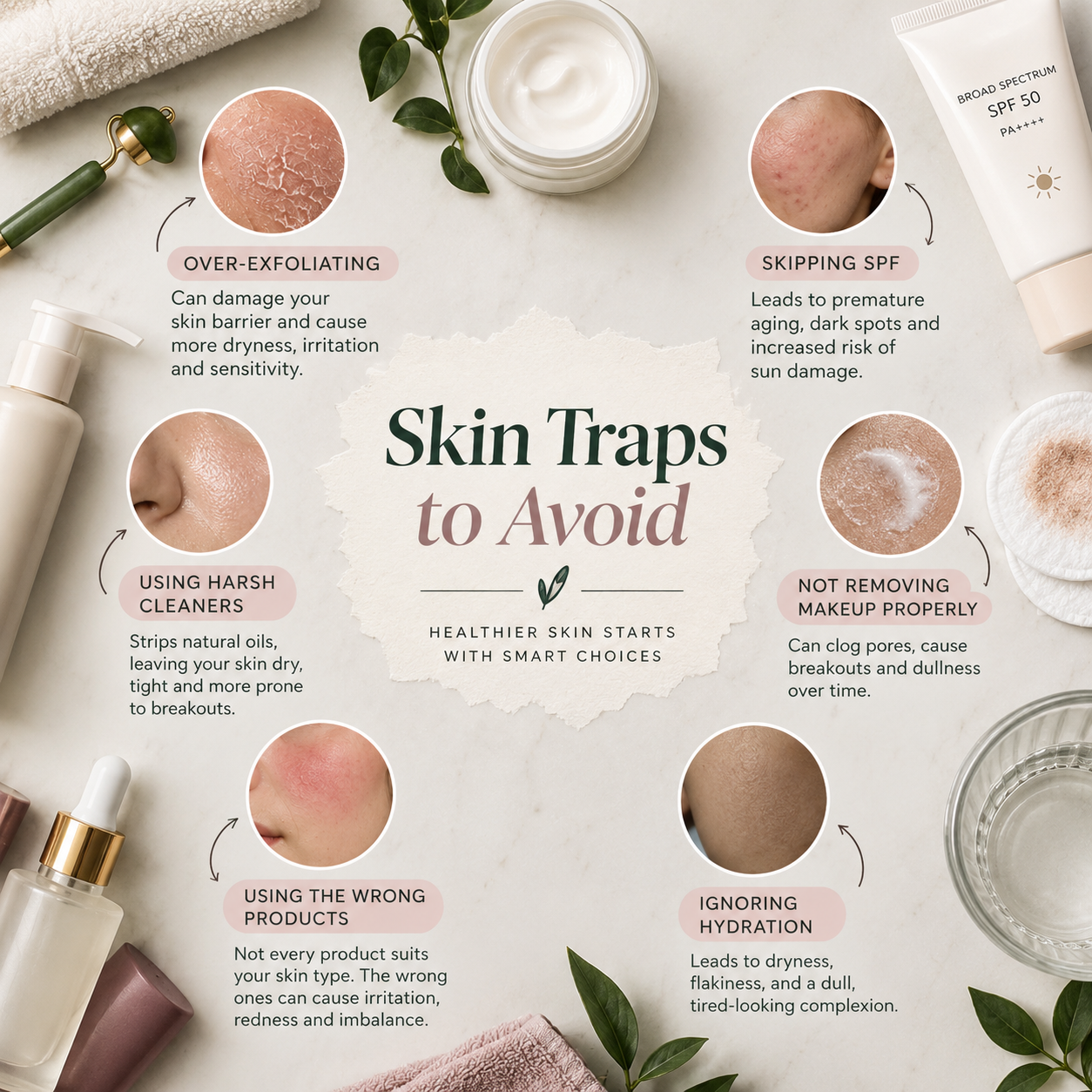
This is one of the biggest fall skincare traps. You notice flaky skin and think, “Dead skin. I need to exfoliate.” So you exfoliate. But the flakes don’t magically disappear, so you exfoliate again. Suddenly your skin feels irritated, tight, and even more uncomfortable.
Here’s the important distinction: flaky skin doesn’t automatically mean you need more exfoliation.
If your skin is already dry or irritated, aggressive exfoliation may make things worse. You don’t necessarily have to eliminate exfoliation from your routine, but pay attention to how your skin is responding and avoid treating every dry patch like something that needs to be scrubbed away.
Fall Skin Trap :- Flaky → exfoliate → irritation → more flaking → exfoliate again
Instead :- Pause → simplify → moisturize → reassess.
7: Don’t Stack Every Active You Own
Fall is not the season to turn your bathroom counter into a chemistry lab.
Retinoids, acids, exfoliating toners, acne treatments, vitamin C, and peels can all have a place in different skincare routines. The problem is what happens when you start combining too many potentially irritating products—or suddenly increase how often you use them.
And there’s a frustrating cycle that can happen: your skin gets irritated, you assume you need a stronger treatment, you add another product, and your skin gets even more irritated.
Stop the cycle.
If your skin starts feeling unusually sensitive, simplify your routine and introduce changes one at a time. You should be able to tell which product is helping and which one isn’t.
8: Keep SPF in Your Fall Routine
The sweaters can come out. The pumpkin-flavored everything can return. Your summer sandals can go back into the closet. But your sunscreen? It doesn’t need a seasonal vacation.
Cooler temperatures don’t switch off UV exposure. Keep a broad-spectrum sunscreen in your daytime routine and use it as directed, especially when you’re spending time outdoors. And if you’re using skincare treatments that can make your skin more sun-sensitive, consistent sun protection becomes even more important.
Remember: Fall skincare changes. Sun protection doesn’t disappear.
9: Turn Down the Shower Temperature
Let’s be honest. A hot shower when it’s chilly outside feels amazing. You come home cold, turn the water up, and suddenly you’re living in a private tropical resort.
Your skin, unfortunately, may not be quite as impressed.
Very hot water can contribute to dryness and discomfort, especially if your skin is already prone to dryness. Try keeping your shower comfortably warm rather than extremely hot, and avoid spending forever under the water.
Then gently pat your skin dry and moisturize afterward. Your skin—and possibly your energy bill—may appreciate the change.
More to Read:
1: The Ultimate Fall Beauty Routine: 25 Simple Changes to Make This Season
10: Pay Attention to the Air Inside Your Home
Here’s the part of fall skincare that is easy to forget: your skin doesn’t stop experiencing the environment when you walk indoors.
As temperatures drop, heating systems may become part of your daily routine. Depending on your home and climate, indoor air can become dry. So if your skin feels noticeably drier once the heat is running more often, don’t only look at your moisturizer. Look at your environment, too.
A humidifier may be worth considering if your indoor air is particularly dry. Keep it clean and use it according to the manufacturer’s instructions.
You don’t need to turn your bedroom into a rainforest. Just remember that your skincare routine isn’t the only thing interacting with your skin.

11: Give Your Lips Their Own Fall Routine
Your face isn’t the only skin that notices the season. Your lips often announce the arrival of colder weather first.
Suddenly you’re reaching for lip balm constantly, licking your lips without realizing it, and wondering why they still feel dry. Give them a little more attention before they become seriously uncomfortable.
Keep a moisturizing lip product somewhere you’ll actually use it—your purse, desk, nightstand, or bathroom. During the day, consider a lip product with sun protection. And try to avoid repeatedly licking dry lips. It may feel soothing for a moment, but it can contribute to ongoing dryness.
Little Fall Habit :- Moisturize your lips before they start begging for help.
12: Protect Your Skin From Wind and Cold
Fall can be beautiful. It can also be windy, chilly, and surprisingly rough on already-dry skin.
If you’re heading outside on a particularly cold or windy day, think beyond your skincare shelf. A scarf or other clothing that covers exposed areas can help protect your skin from the elements.
And if your skin is already sensitive, don’t wait until it becomes painfully uncomfortable to start paying attention. A little protection beforehand can be easier than trying to calm irritated skin afterward.
Think of It This Way :- Your moisturizer supports your skin. Your clothing can help protect it from the environment. You need both.

PART 3 — RESET
Know When to Simplify
This is where everything comes together. You’ve adjusted the basics, reduced unnecessary irritation, and started protecting your skin from the things around you. Now comes the part that can make the biggest difference: knowing when to stop doing more.
13: Make Your Night Routine Your Reset Routine
Your nighttime routine doesn’t have to become longer just because fall arrived. Actually, this may be the perfect season to make it simpler and more intentional.
On a normal night, your routine might look like :- Cleanse → hydrate → treatment, if appropriate for your skin → moisturize
But what if your skin is having a rough day?
You don’t have to force every product into the routine. Sometimes :- Cleanse → moisturize. Is enough.
Think of your nighttime routine as an opportunity to give your skin a break from constant experimentation. You don’t need to introduce a new active every time your skin changes.
Your Fall Nighttime Rule:
If your skin is comfortable, maintain.
If your skin is irritated, simplify.
14: Learn Your Skin’s Early SOS Signals
Your skin usually doesn’t go from perfectly happy to completely irritated without giving you clues. There are often little warning signs first. Maybe your moisturizer suddenly stings. Maybe your cheeks feel tight. Maybe your foundation looks unusually flaky. Maybe your skin feels rough when you touch it. Maybe products you’ve used for months suddenly don’t feel quite right.
Don’t ignore those little changes. Instead, ask yourself:
“What changed?”
Did you start exfoliating more? Add a new active? Switch cleansers? Take longer, hotter showers? Start running the heat? Change several products at once? Finding the trigger can sometimes be more useful than buying another product.
our Skin Is Talking :- Tightness. Stinging. Redness. Flaking. Increased sensitivity.
These aren’t challenges to “push through.” They’re reasons to pause and reassess. If irritation is persistent, painful, severe, or concerning, it’s a good idea to talk with a dermatologist or other qualified healthcare professional.
15: Build Your Simple Fall AM + PM Routine
Okay. You’ve made it through the 15 changes.
Now let’s make the whole thing ridiculously easy to remember. Because knowing a lot about skincare is great. Knowing what to do tomorrow morning is better.
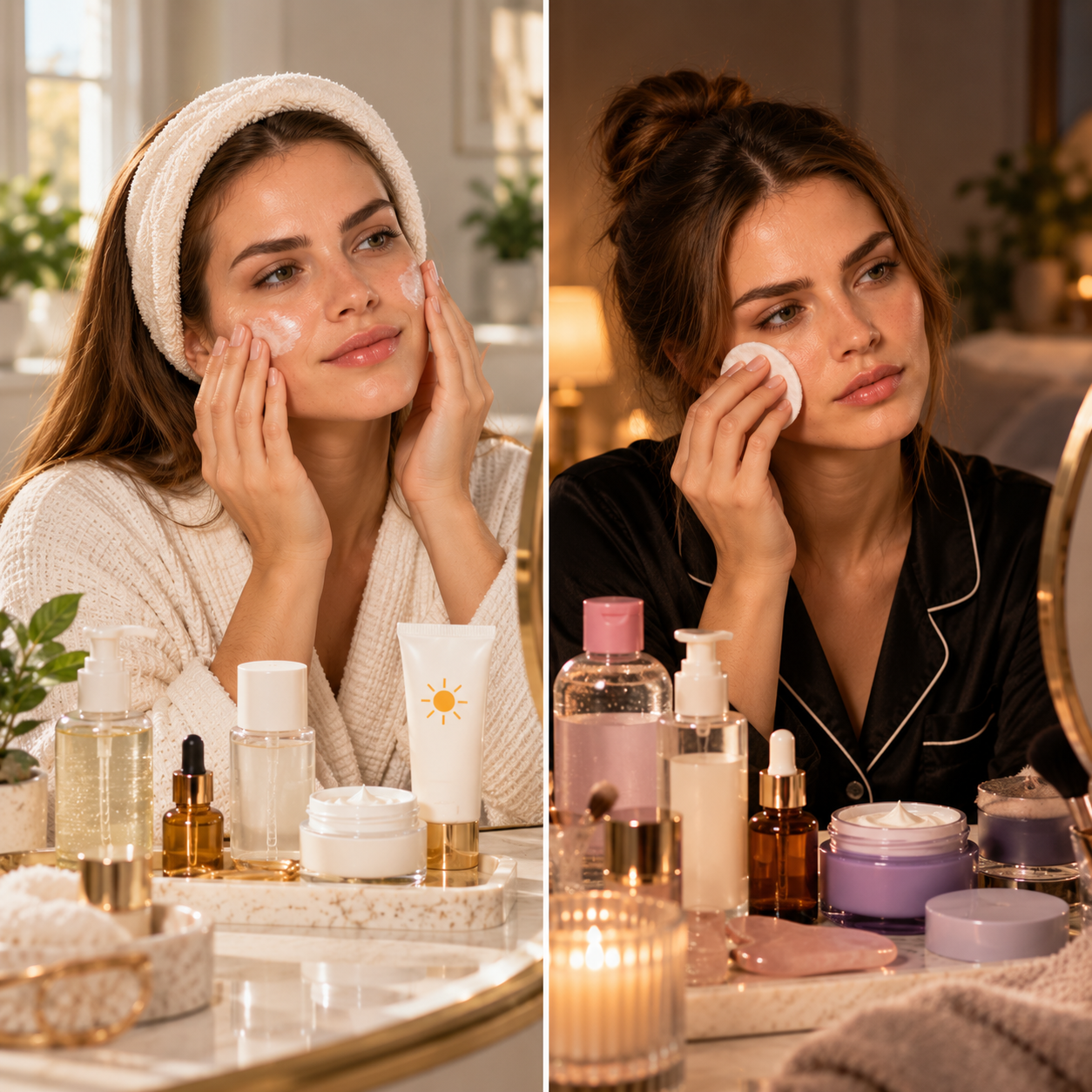
Your Fall Morning Routine
- Cleanse or rinse
Use whatever approach leaves your skin comfortable and clean. - Hydrate
Add a hydrating step if your skin benefits from one. - Moisturize
Choose a texture that keeps your skin comfortable throughout the day. - Broad-spectrum SPF
Finish with your daytime sun protection.
Your Fall Night Routine
- Cleanse
Remove makeup, sunscreen, sweat, and everyday buildup gently. - Hydrate
Add a hydrating step if you need one. - Treatment, if appropriate
Use the active products your skin already tolerates rather than feeling pressured to add more. - Moisturize
Finish with a moisturizer that keeps your skin comfortable overnight.
Your Fall Skin SOS Day
And then there are those days. You know the ones.
Your skin feels tight. Something stings. Your cheeks are flaky. Everything suddenly feels like too much. That’s not the day to start testing three new products. Go back to basics: cleanse gently, moisturize, protect your skin during the day, and pause unnecessary experimentation. Give your routine some breathing room. Once your skin feels comfortable again, you can reassess what you actually need.
Your Fall Skin SOS Checklist
Save this for the first cold week when your skin starts acting differently.
☐ My cleanser doesn’t leave my skin feeling stripped
☐ I’m not over-cleansing
☐ I’m moisturizing while my skin is slightly damp
☐ My moisturizer still feels adequate
☐ I’m making my skin barrier a priority
☐ I’ve eased up on unnecessary exfoliation
☐ I’m not stacking too many active ingredients
☐ I’m still using broad-spectrum SPF
☐ I’ve turned down extremely hot showers
☐ I’ve considered how dry my indoor environment is
☐ I’m taking care of my lips
☐ I’m protecting exposed skin from cold and wind
☐ I’ve simplified my routine when my skin feels irritated
You don’t have to check every box today. Start with the thing your skin is complaining about the loudest.
The Bottom Line: Your Skin Didn’t Forget How to Behave
If your favorite summer routine suddenly feels like it’s failing you this fall, don’t immediately assume your skin has become impossible.
Maybe your cleanser is a little too aggressive now. Maybe your moisturizer isn’t enough. Maybe you’ve been exfoliating when your skin really wanted a break. Maybe the heat running inside your home is changing the equation. Or maybe your skin is simply asking for something that skincare culture doesn’t always make very exciting:
Less experimenting. More consistency.
Fall skincare isn’t about chasing perfect skin. It’s about noticing what changed and responding before a small problem turns into a frustrating one.
So keep the cozy sweaters. Keep the pumpkin-spice everything. Keep your favorite fall plans.
And when your skin starts sending those little SOS signals, don’t panic and don’t automatically add another product.
Listen first. Adjust second.
Your skin may not need a whole new routine.
It may just need a fall version of the routine you already know.
Frequently Asked Questions
1: How should I change my skincare routine for fall?
As the weather gets cooler, focus on keeping your skin comfortable and hydrated. You may want to switch to a gentler cleanser, use a more nourishing moisturizer, ease up on exfoliation, and continue using broad-spectrum SPF. If your skin starts feeling tight, flaky, or irritated, simplify your routine rather than adding more products.
2: Why does my skin get so dry in the fall?
Cooler outdoor temperatures, wind, and drier indoor air from heating can make your skin feel drier or more sensitive. Your usual summer routine may also feel less hydrating as the season changes, which is why a few simple adjustments can help.
3: Should I exfoliate more when my skin gets flaky in fall?
Not necessarily. Flaking can be a sign that your skin is dry or irritated, and exfoliating more may make the problem worse. Try focusing on gentle cleansing, moisturizing, and barrier support first.
4: Do I still need sunscreen in the fall?
Yes. UV exposure doesn’t disappear when temperatures drop. Continue using a broad-spectrum sunscreen as part of your morning skincare routine, especially on days when you’re spending time outdoors.
5: What should I do if my fall skincare routine starts irritating my skin?
Go back to basics for a while. Use a gentle cleanser, moisturizer, and daytime SPF, and consider pausing new products or strong active ingredients until your skin feels comfortable again. If irritation is persistent, painful, severe, or concerning, consider talking with a dermatologist or other qualified healthcare professional.